Trusted Deck Builders for Any Budget: Request Your Free Estimate
Finding a reliable deck builder within your budget can considerably shape the quality of your project. Homeowners often struggle in selecting the right expert who can balance cost and craftsmanship. Complimentary quotes serve as a essential tool in this process, enabling a better understanding of financial requirements and choices. Nevertheless, knowing what to look for in a builder is important. The choices ahead can determine the success of your envisioned deck project.
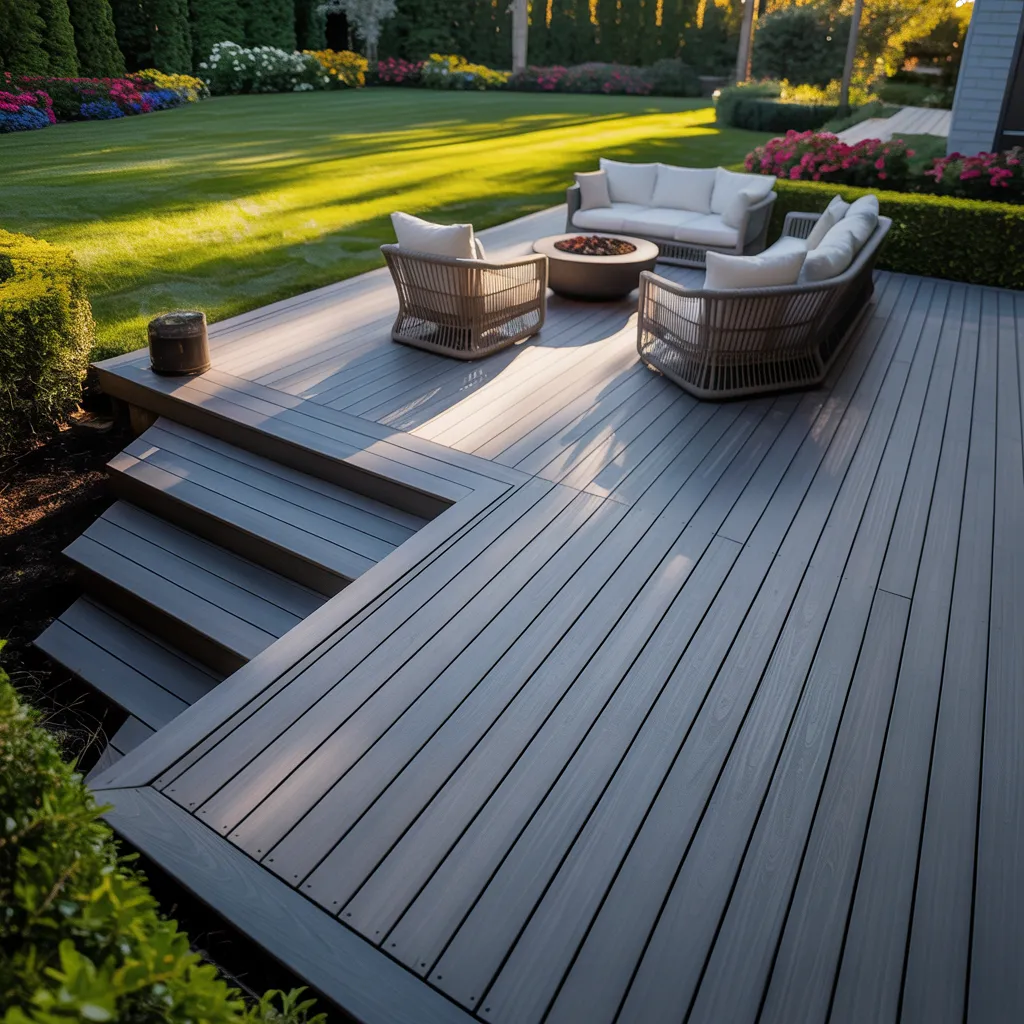
Why Choosing the Right Deck Builder Matters for Your Unique Project
How does the choice of a deck construction professional influence the success of a construction project? The right deck builder can significantly impact both the standard and effectiveness of a building project. A qualified professional brings experience and knowledge, making sure that the deck meets both structural and aesthetic standards. They can offer helpful insights into design possibilities, building materials, and local building codes, which works to eliminate costly errors.
Moreover, a trusted builder has developed connections with suppliers, frequently translating into better pricing and access to top-grade materials. This can lead to a stronger and more attractive finished product. In contrast, choosing an inexperienced or unreliable builder may lead to holdups, budget blowouts, and unsatisfying outcomes. Thus, it is important to vet builders based on their certifications, completed work, and client testimonials. Finding the right deck builder ultimately shapes the outcome of the project and the homeowner's satisfaction.
What You Can Expect From Free Estimates
What can homeowners anticipate when requesting free estimates for their deck project? To begin with, they can expect a comprehensive consultation where deck specialists review their goals and preferences. During this phase, homeowners should provide details about their desired materials, design, and size. Builders will often schedule a property walkthrough to examine the area, factoring in aspects such as site conditions and ease of access.
Homeowners can also anticipate a transparent breakdown of costs related to materials, additional features, and labor. Estimates typically include multiple choices, permitting homeowners to assess varying styles and price points. Furthermore, a reliable builder may offer projected schedules for finishing the project, allowing homeowners to prepare effectively.
Finally, it is important for homeowners to ask questions and eliminate any confusion. This proactive engagement guarantees that the estimate aligns with their expectations, laying the foundation for a smooth and successful deck-building process.
How to Define Your Deck Budget
Establishing a budget for a decking project can often be challenging for property owners. To create a clear budget, it is necessary to start by assessing personal spending constraints and deciding how much can be allocated without disrupting other financial obligations. Homeowners should take into account the materials, design, and size of the deck, as these considerations greatly impact project costs.
Investigating average prices in the local market can yield valuable insights, assisting in setting realistic expectations. Additionally, homeowners should consider potential extra expenses, including permits, site preparation, and landscaping.
Establishing a well-organized list of elements can further support decision-making, enabling modifications based on spending boundaries. Lastly, it is beneficial to maintain an allowance for unforeseen expenses, guaranteeing fiscal stability throughout the project. By following these guidelines, homeowners can establish a financial plan that corresponds with their objectives while staying practical.
Critical Qualities to Find in a Deck Builder
When selecting a deck builder, it is important to emphasize expertise and experience to secure high-quality results. Moreover, ensuring that the professional maintains the appropriate credentials and insurance shields both the client and their financial commitment. These qualities serve as essential signs of a dependable and qualified expert in the decking industry.
Experience and Proficiency
Selecting a skilled deck builder demands careful consideration of their expertise and experience. An experienced builder will have a demonstrated history of success, showcasing a collection of completed projects that highlight their skill level. This background often translates into a deeper understanding of materials, design, and construction techniques, allowing the builder to handle unexpected challenges effectively.
Proficiency also covers familiarity with the latest trends and industry standards in deck construction, guaranteeing that the finished structure is not only practical but visually appealing. Furthermore, seasoned builders are more familiar with local regulations and can navigate permitting processes smoothly. At the end of the day, hiring a deck professional with extensive experience and proficiency can significantly improve the quality and durability of the completed structure, giving homeowners confidence in their investment.
Licensure and Insurance Coverage
A professional deck builder ought to always carry the required credentials and insurance. This guarantees that the builder adheres to local regulations and industry standards, providing peace of mind to homeowners. Licensing provides proof of the builder's skills and devotion to quality work. Insurance, additionally, shields both the professional and the property owner should accidents or damages occur during construction. When choosing a deck builder, property owners should require documentation of these credentials. Insufficient licensing or insurance coverage could suggest serious concerns, such as low-quality construction or monetary risk. Fundamentally, engaging a properly licensed and insured deck contractor remains vital for a seamless and trouble-free project outcome.
Critical Questions to Pose to Potential Deck Builders
What essential knowledge can aspiring homeowners acquire by asking the appropriate questions of potential deck builders? Engaging a deck builder involves more than simply obtaining a quote; it demands insight into their skills and dependability. Property owners should question the builder about their experience and completed projects, while also requesting references to measure customer approval. It's important to clarify timelines, ensuring that deadlines align with the homeowner's expectations. Moreover, addressing warranties covering both materials and labor can deliver confidence. Property owners should additionally inquire about any subcontractors participating and their credentials. Understanding the payment structure, including deposits and final payments, is key to avoiding financial surprises. Lastly, it is recommended to ask about any necessary permits for the work, guaranteeing adherence to municipal guidelines. By posing these questions, homeowners can make informed decisions and select a deck builder who meets their needs effectively.
Finding the Right Materials Within Your Budget
When choosing materials for a deck, homeowners must consider the advantages of traditional wood against composite alternatives. Long-term durability plays a vital role in this decision, as it influences upkeep costs and the longevity of the deck. Additionally, exploring cost-effective alternatives can deliver cost-conscious choices without sacrificing quality.
Wood vs. Composite Materials
When weighing wood and composite materials for deck building, homeowners need to consider both aesthetics and budget constraints. Wood delivers a timeless, natural appearance and can be more affordable upfront. However, it requires regular maintenance, including staining and sealing, which could raise overall costs over time. By comparison, composite materials, crafted from a combination of wood fibers and plastic, provide a low-maintenance alternative with an array of colors and finishes. While the initial investment for composites is generally higher, they resist fading and warping, drawing in those who prioritize long-term performance. Ultimately, the choice copyrights on individual preferences, maintenance willingness, and overall financial planning, so homeowners must carefully evaluate these considerations before reaching a conclusion.
Durability Considerations for the Long Term
Durability is a critical factor in selecting materials for deck building, most notably for homeowners who are mindful of their expenses. When considering options, wood and composite materials present distinct advantages and drawbacks. Natural wood, while aesthetically pleasing, requires regular maintenance to prevent rot, warping, and insect damage. On the other hand, composite materials deliver extended lifespan, withstanding discoloration and degradation with minimal care. Property owners should evaluate their regional weather conditions, since moisture and sun exposure can significantly affect material durability. Furthermore, recognizing the planned purpose of the deck is essential; areas with frequent foot traffic may call for more durable solutions. In the end, the ideal selection weighs upfront cost against lasting value, making certain that the deck continues to be useful and visually pleasing well into the future.
Affordable Options Available
Choosing the best options for deck construction can significantly impact both aesthetic appeal and finances. Residents searching for budget-friendly alternatives often consider pressure-treated wood, which provides long-lasting performance at a lower cost compared to exotic hardwoods. Composite materials also provide a practical choice, combining recycled plastics and wood fibers for a extended-life option that needs minimal upkeep. For those on tighter spending plans, treated plywood can act as an cost-effective option, though it may not hold up against the elements as well. Moreover, vinyl decking is becoming more popular for its budget-friendly nature and durability against rot and fading. By assessing these options, homeowners can achieve a stunning and practical deck without going over budget, providing a sound investment for the long term.
Key Considerations for Evaluating Deck Builder Proposals
What steps can homeowners take to properly assess deck builder proposals and ensure they select the right option? As a starting point, it is advisable to compare numerous estimates while examining differences in costs, materials, and scheduled completion times. A thorough itemization of expenses makes it easier to understand what is covered and enables more meaningful comparisons. Furthermore, assessing the contractor's experience and professional reputation is a vital step; reaching out to references and exploring online reviews reveals important details about their trustworthiness and skill level.
Homeowners should also confirm that proposals include required permits and warranties, as these elements can significantly affect lasting satisfaction. It is recommended to inquire about the construction process and material options, guaranteeing compatibility with the homeowner's vision and budget. Lastly, transparent communication is essential; proposals should be clear and void of technical jargon, demonstrating the builder's pledge to transparency. By implementing these measures, homeowners can reach a well-informed conclusion when identifying a deck builder that fulfills their expectations.
How to Get Ready for Your Deck Installation Day
The day of deck installation can be both exciting and overwhelming for many homeowners. Proper preparation can alleviate stress and guarantee a smooth process. As a first step, homeowners should remove any furniture, plants, or obstacles from the installation area to provide easy access for the builders. This not only makes the work easier but also helps protect the surrounding landscaping.
Next, property owners should convey any specific preferences or concerns to the deck contractors, making sure everyone is on the same page. It proves advantageous to establish a designated space for equipment and supplies, which helps maintain organization throughout the project.
Additionally, homeowners are advised to anticipate potential noise and activity by alerting neighbors beforehand. As a summary final consideration, putting a plan in place for pets and children while installation is underway is key to safety and minimizing disruptions. By adopting these practices, homeowners can cultivate a supportive environment for the deck builders, rendering the experience seamless and efficient.

Questions We Often Receive
What Are the Different Types of Decks I Can Choose From?
Homeowners have the option to select from numerous deck options, including wood, composite, aluminum, and PVC. Each material offers unique benefits, such as strength, care needs, appearance, and overall expense, allowing for personalized outdoor spaces tailored to individual preferences.
How Long Does a Typical Deck Installation Take?
A typical deck build usually spans one to two weeks, depending on the size and complexity of the project. Weather factors and the availability of materials can also influence the total timeline for finishing.
Are Building Permits Required for Deck Construction?
Absolutely, permits are generally required for deck construction. Local building authorities commonly require homeowners to acquire permits to ensure compliance with zoning laws, safety standards, and building codes, promoting structural integrity and neighborhood aesthetics.
What Warranties Do Deck Builders Usually Offer?
Deck contractors commonly provide warranties that cover structural integrity, workmanship, and materials, typically ranging from one to ten years. These warranties guarantee protection against defects and provide homeowners peace of mind regarding their investment.
Am I Able to Customize My Deck Design?
Absolutely, deck designs are commonly able to be customized to meet individual desires. Most construction professionals cooperate directly with clients to add custom layouts, materials, and features, guaranteeing the completed project corresponds to the homeowner's vision and needs.